The financing comes from node.vc, Wave Ventures and individual technology investors whose backgrounds include OpenAI and CRV. It gives Favora room to prepare its first public release, improve the quality of its product index and develop search that understands both language and images.
Fashion discovery rarely begins with an exact product name. It can start with a reference image, an occasion, a silhouette or a phrase such as “a long black wool coat below 3,000 SEK.” Conventional shopping tools make people translate that intent into store categories, filters and repeated searches across tabs.
Favora is building one interface for that process. A shopper can describe an idea or use an image, compare products from different catalogues and continue refining the request without starting again. The result stays connected to the product, price and retailer rather than ending with a page or a general recommendation.
Favora is creating the missing layer between what shoppers desire and where they can buy it locally.
What the financing will support
The immediate focus is product quality. That includes expanding catalogue coverage, keeping results relevant to the shopper’s region and improving how Favora interprets details such as material, colour, shape, price and availability.
The same model creates a different discovery channel for brands and retailers. Products can surface because they match a shopper’s intent, while the merchant remains the destination for the purchase. node.vc’s announcement names Nike, Adidas and Gant among Favora’s early partners.
Built in Stockholm for a shift in search
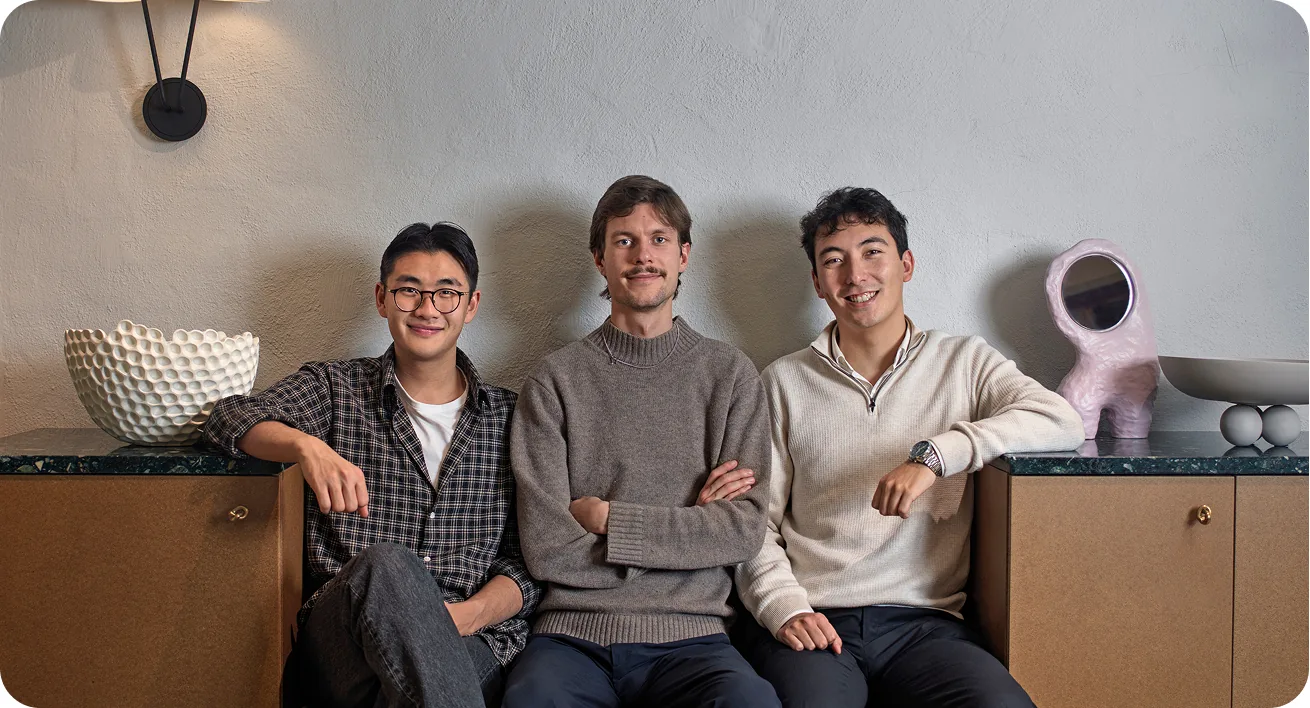
Favora was founded in Stockholm by Anton Hong, Arvid Lagerqvist and Alexander Viala Bellander. The team brings experience from Legora, Voi, Quartr and H&M Group, combining fast-moving technology with an understanding of fashion and consumer products.
Search is moving beyond exact keywords towards conversation and visual understanding. Favora’s aim is to make that shift useful for fashion by grounding it in current products, clear sources and regional availability. Its first public product is planned as a browser-based experience for mobile and desktop.